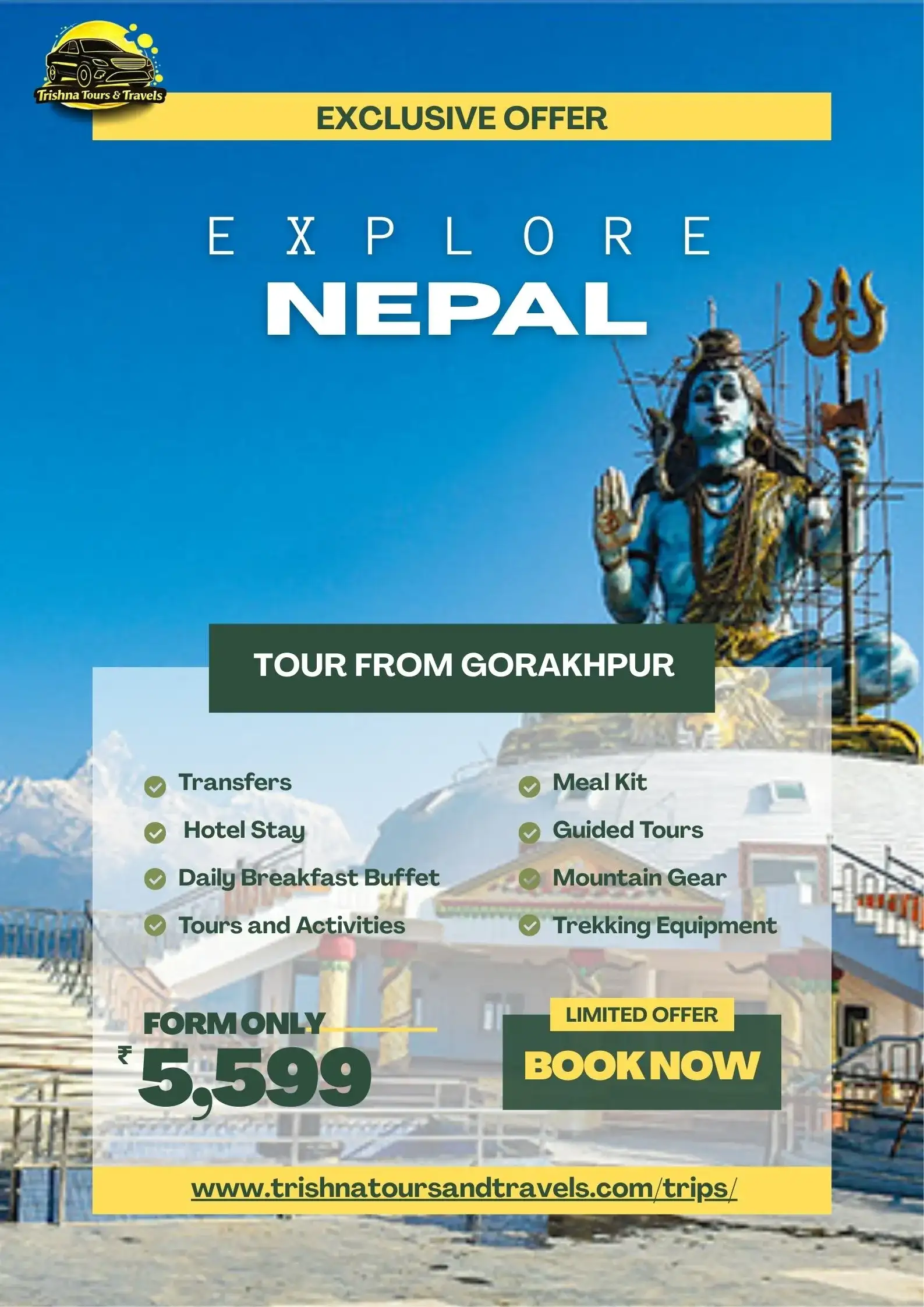
Starting from ₹ 5,599 per person
✓ Border Assistance
✓ Group & Private Options
✓ Comfortable Journey
Planning a Nepal trip from Gorakhpur is one of the smartest travel decisions you can make if you want an international experience without complications, high cost, or long travel fatigue. Gorakhpur is not just a city; for Nepal travelers, it is a true gateway. This guide is written in simple, local-friendly language and based on real travel experience, so you can plan confidently without confusion or unnecessary stress.
Why Gorakhpur Is the Best Starting Point for Nepal
Gorakhpur is located hardly 90 km from the Sunauli border, which is the most popular and smooth India–Nepal entry point. Because of this strategic location, travel from Gorakhpur to Nepal becomes faster, more affordable, and especially comfortable for families and elderly travelers. Unlike cities such as Delhi or Mumbai, you don’t need to deal with flights, airport waiting time, or expensive luggage charges. A road journey from Gorakhpur offers flexibility, scenic views, and full control over your travel schedule.
For travelers coming from Eastern UP, Bihar, Jharkhand, Madhya Pradesh, Rajasthan, and even Delhi, Gorakhpur is very well connected by trains and highways, making it a natural and practical starting point for a Nepal trip.
First Decision: What Kind of Nepal Trip Do You Want?
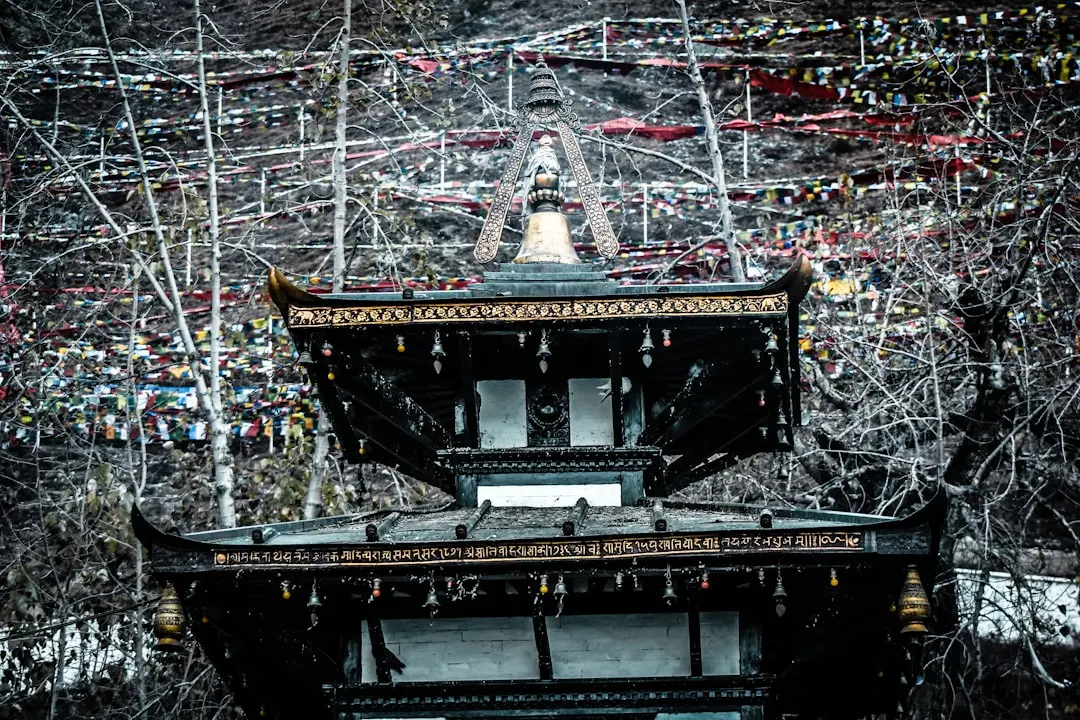
Before booking anything, it is important to be very clear about your travel purpose. Nepal offers a wide variety of experiences, and your planning should depend on what you actually want from the trip. Ask yourself whether this journey is meant to be a relaxed family vacation, a religious pilgrimage covering places like Pashupatinath, Muktinath, or Lumbini, a nature and leisure trip focused on destinations like Pokhara and Kathmandu, or a budget-friendly tour versus a comfortable and relaxed holiday.
Once this clarity is there, decisions become easier. Your purpose will decide how many days you need, which cities should be included, how much budget you should keep aside, and how fast or relaxed your travel pace should be. Trying to cover everything in one trip often leads to exhaustion and disappointment, and it is the most common mistake first-time travelers make.
Understanding the Route: Gorakhpur to Nepal
The most common, safe, and traveler-friendly route from Gorakhpur to Nepal is via Sunauli. The journey typically follows Gorakhpur to Sunauli Border, then Bhairahawa, and further towards Kathmandu or Pokhara depending on your itinerary. This route is well maintained, frequently used by Indian tourists, and suitable for private cars, taxis, and tempo travelers.
Along the way, you will easily find restaurants, fuel stations, clean rest stops, and small markets. For senior citizens and children, this route is far more comfortable compared to long overnight journeys or complicated transfers.
Border Crossing: Simple but Needs Awareness
One of the biggest advantages of traveling to Nepal is the open border for Indian citizens. Indians do not require a visa to enter Nepal, and a passport is also not compulsory. The most accepted and safest identity document is the voter ID card. Aadhaar usually works, but carrying a voter ID is always recommended for smoother processing.
The Sunauli border process itself is quite simple, but during peak travel seasons or festival times, it can take some patience. Having a local driver or an experienced tour operator often makes the crossing much quicker and stress-free.
How Many Days Are Enough for a Nepal Trip?
The number of days you need depends on how relaxed you want your journey to be. A 3 to 4-day trip usually feels very rushed and is not ideal unless you are visiting just one place. A 5 to 6-day trip works best for covering Kathmandu and Pokhara at a comfortable pace. A 7 to 8-day itinerary allows you to include pilgrimage sites or enjoy leisure travel without hurry. If you want a complete Nepal experience without fatigue, 9 to 10 days is considered ideal.
When traveling with elderly family members or children, it is always wise to keep one or two buffer days to avoid exhaustion.
Choosing the Right Time to Travel
Nepal is beautiful throughout the year, but the travel experience changes with seasons. From March to May, the weather remains pleasant, flowers bloom across hill regions, and sightseeing conditions are comfortable. September to November is considered the best time to visit Nepal because of clear mountain views and excellent weather, though it is also the peak tourist season.
From June to August, Nepal becomes lush and green with fewer crowds, but occasional rainfall can slow down travel plans. December to February brings cold mornings and evenings, yet offers very clear skies and a peaceful environment, making it suitable for pilgrims and travelers who prefer fewer tourists. If budget is a concern, avoiding peak festival dates helps keep costs lower.
Budget Planning: What Should You Expect to Spend?
Nepal trips from Gorakhpur are quite cost-effective compared to many other international tours. On average, a budget tour may cost around ₹12,000 to ₹15,000 per person, while a standard tour usually falls between ₹18,000 and ₹25,000. For those seeking comfort or luxury, costs generally start from ₹30,000 and above.
The overall cost depends on several practical factors such as the category of hotel you choose, the type of vehicle used for travel, the number of travelers in your group, and the season in which you travel. One major advantage is that road-based travel from Gorakhpur saves nearly 30–40% compared to flight-based Nepal trips.
Hotels, Food, and Daily Comfort
One of the biggest comforts for Indian travelers in Nepal is the availability of familiar food. Indian vegetarian and non-vegetarian meals are easily available across major tourist destinations. Jain food and pure vegetarian options can also be found, especially in cities like Kathmandu and Pokhara. Common meals such as dal, rice, roti, and sabzi are widely served.
In terms of accommodation, budget hotels in Nepal are generally clean and safe, mid-range hotels offer excellent value for money, and luxury hotels in Kathmandu and Pokhara provide world-class comfort. Choosing hotels close to city centers helps save time and avoids unnecessary travel.
Money, SIM Card, and Daily Essentials
Indian currency is accepted in many places in Nepal, especially smaller denominations like ₹100 notes. However, using Nepalese currency is recommended for daily expenses and local shopping. Local SIM cards are affordable and easily available, and most hotels provide Wi-Fi facilities for guests.
It is advisable to avoid carrying very high-denomination Indian currency notes and always keep small change for convenience.
Safety and Practical Travel Tips
Nepal is considered one of the safest countries for Indian tourists. Still, basic precautions should always be followed. Keep photocopies of your identity documents, drink bottled or purified water, avoid isolated areas late at night, and respect local customs, temples, and traditions. When traveling in hilly regions, ensure that your vehicle is driven by an experienced driver familiar with mountain roads.
Should You Book Yourself or Use a Tour Operator?
Many travelers believe that self-planning always saves money, but when it comes to Nepal travel, local expertise plays an important role. A good Nepal tour operator assists with border formalities, route planning, hotel coordination, and emergency support if needed. This support becomes especially valuable when traveling with family members or elderly people.
Final Advice from Experience
A Nepal trip from Gorakhpur is not just a tour; it is a smooth and enriching international experience without unnecessary stress. Planning realistically, avoiding rushed itineraries, choosing the right season, and prioritizing comfort can completely change your travel experience.
When planned properly, Nepal offers peace, natural beauty, spiritual depth, and excellent value for money. Most importantly, it gives memories that stay with you long after the journey ends.
Are you planning a trip to the Himalayas? This in-depth guide is the internet's most comprehensive resource for booking a Nepal tour package from Gorakhpur. We cover everything from safe road routes, latest border formalities (2025-26), detailed day-wise itineraries, hidden costs, and vehicle selection tips.
Whether you are a family seeking a budget holiday, a couple on a honeymoon, or a devotee heading to Muktinath, this guide by Trishna Tours and Travels answers every question you have before booking your Gorakhpur to Nepal trip.
Gorakhpur is the "Golden Gateway" for Indian tourists entering Nepal. Located just 95 km (2.5 hours) from the Sunauli border, it offers strategic advantages over flying directly to Kathmandu:
This route is ideal for diverse groups:
While there are multiple entry points, the condition of the roads varies significantly:
| Route Name | Distance (Gorakhpur to Kathmandu) | Condition |
|---|---|---|
| Via Sunauli (Recommended) | ~360 km | Busiest but most reliable. Direct access to Lumbini and Pokhara. |
| Via Raxaul (Birgunj) | ~400 km | Good for entering Kathmandu directly, but skips Pokhara/Lumbini. |
| Via Nepalgunj | ~200 km (to border) | Only used for Mansarovar Yatra or trips to Western Nepal. |
*Note: The road from Narayanghat to Kathmandu is currently under expansion. We use high-clearance SUVs to ensure comfort on bumpy patches.
Crossing the Sunauli border is easy if you have the right papers. Indian citizens do not need a visa, but you must carry one of the following:
At Trishna Tours, we categorize our trips into three main types:
Here are our most popular Gorakhpur to Nepal trip plans:
Hotels: We partner with verified properties ranging from budget guesthouses to 5-star resorts. All hotels in our packages offer Wi-Fi, Hot Water, and Power Backup.
Food: "Dal Bhat" (Lentils & Rice) everywhere, plus Indian cuisine (Roti, Sabzi, Paneer). Vegetarian options are abundant.
Vehicles: We provide commercial tourist vehicles (Green Plate) with options including Swift Dzire, Innova Crysta, Scorpio, and Tempo Travellers.
We believe in honest pricing. Here is an estimated cost for a 5-Day Trip (Per Person on Twin Sharing):
Yes, Nepal is very safe. Trishna Tours provides verified drivers for added peace of mind.
Yes, but you need a permit, and mountain driving requires high skill. It’s easier to hire a vehicle.
₹100 Indian Rupees = ₹160 Nepali Rupees.
We are local experts based in Gorakhpur, offering:
Planning a Nepal trip from Gorakhpur? You're in the right place! This complete guide covers everything - documents, costs, places to visit, best time to go, and money-saving tips for families.
Gorakhpur is only 90 km from Sunauli border (Nepal entry point). This short distance makes it the best starting point for Nepal tours from Eastern UP and Bihar.
| Travel Option | Cost Per Person | Family of 4 |
|---|---|---|
| Flight to Kathmandu | ₹8,000 - ₹15,000 | ₹32,000 - ₹60,000 |
| Road from Gorakhpur | ₹800 - ₹2,000 | ₹3,200 - ₹8,000 |
| Your Savings | ₹6,000 - ₹14,000 | ₹24,000 - ₹56,000 |
Gorakhpur to Kathmandu is 465 km (12-14 hours total). But smart travelers break this into 2-3 days, staying at Lumbini (1.5 hours), Pokhara (8 hours), then Kathmandu. This way, it becomes a proper tour, not a tiring journey.
Many people think Aadhaar card works everywhere. But Nepal immigration does NOT accept Aadhaar cards. Don't reach the border with only Aadhaar - you won't be allowed entry!
| Document | Accepted? | Time Taken | Our Advice |
|---|---|---|---|
| Voter ID Card | ✓ YES | 15-20 min | Best choice for most people |
| Passport | ✓ YES | 8-12 min | Fastest option (even expired one works if less than 5 years old) |
| Driving License | ✓ YES | 15-20 min | Good option, carry original |
| Aadhaar Card | ✗ NO | - | Not accepted, don't carry only this |
| PAN Card | ✗ NO | - | Not valid for Nepal entry |
Carry TWO documents - Voter ID as main + Passport/Driving License as backup. This saves you if one document has any problem. Also, carry photocopies of both.
If you're taking your own car or hiring one from Gorakhpur, you need a vehicle permit at Sunauli border. This is called "Bhansar" in local language.
Bhansar is a deposit you pay at the border. When you return and exit Nepal, this full amount comes back to you. It's Nepal's way of making sure you don't sell your vehicle there.
| Vehicle Type | Deposit (Refundable) | Daily Fee | Max Days |
|---|---|---|---|
| Motorcycle/Scooter | ₹5,000 | ₹95/day | 7 days |
| Small Car (Swift, Wagon R) | ₹13,750 | ₹190/day | 15 days |
| SUV (Innova, Ertiga) | ₹21,875 | ₹280/day | 21 days |
| Tempo Traveller (12-17 seat) | ₹34,375 | ₹440/day | 30 days |
For groups of 6-8 people, hiring an Innova from Gorakhpur costs ₹12,000-15,000 for 7 days (all inclusive). This works out to just ₹1,700-2,150 per person - much cheaper than taking your own car and paying permit fees, fuel, and tolls separately.
Distance from Gorakhpur: 110 km (1.5 to 2 hours drive)
Best for: Religious tourists, peace seekers, families
Distance from Gorakhpur: 370 km (8-9 hours)
Best for: Nature lovers, adventure seekers, honeymooners
| Activity | Cost | Time |
|---|---|---|
| Sarangkot Sunrise Trip | ₹1,500-2,000 (taxi) | 4:30 AM start, 2 hours |
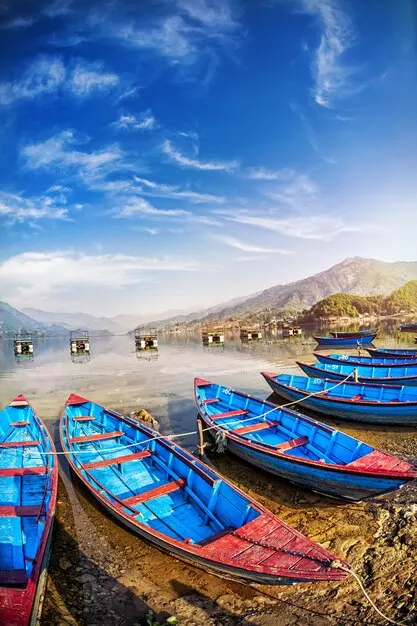
| Phewa Lake Boating | ₹250-400 per hour | 1-2 hours |
| Peace Pagoda Visit | ₹750 (boat + hike) | 3 hours total |
| Davis Falls + Cave | ₹200 (entry) | 1-1.5 hours |
Distance from Gorakhpur: 465 km (12-14 hours)
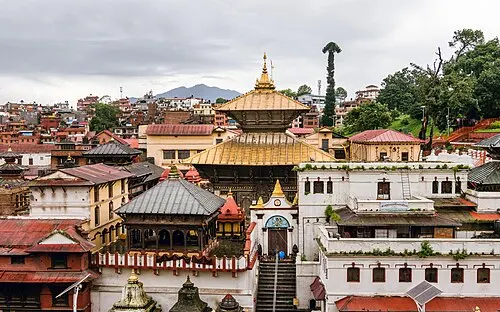
Best for: Culture, shopping, temples, city experience
You can arrange special puja (Rudrabhishek) for your family. Cost: ₹1,300-15,000 depending on type. Simple puja takes 30-45 minutes. Book at temple entrance office. Go early morning (before 6 AM) to avoid crowd.
Distance from Gorakhpur: 280 km (6-7 hours)
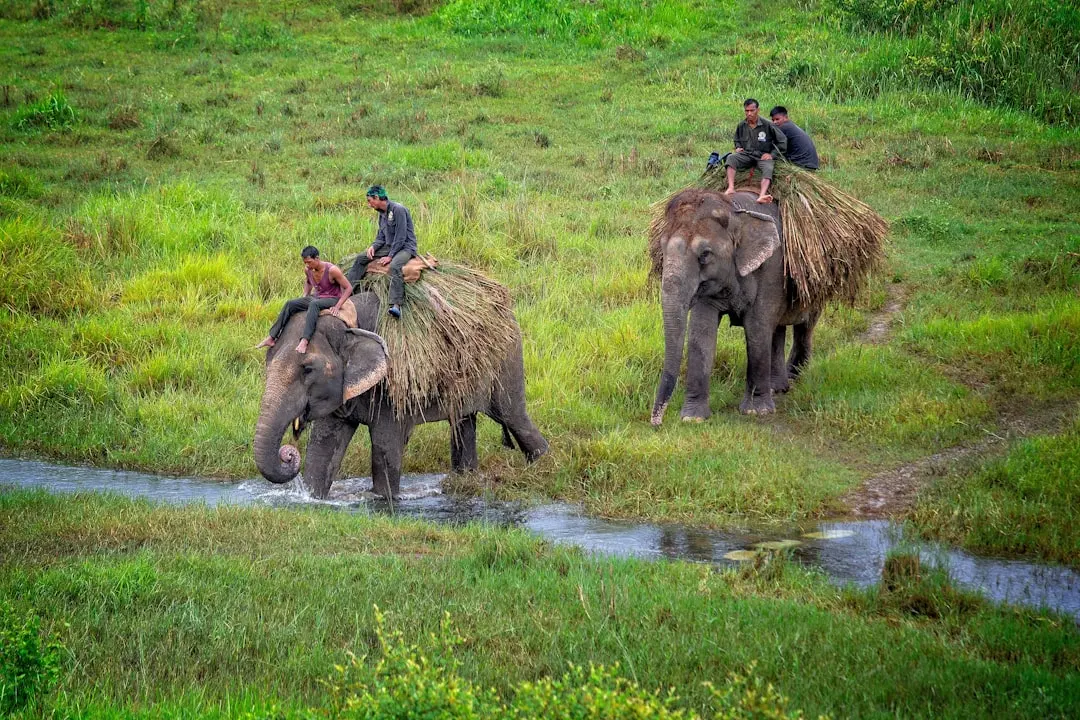
Best for: Wildlife lovers, families with kids, nature photography
Distance from Pokhara: 160 km (requires 4x4 vehicle)
Best for: Religious tourists, fit travelers (3,710 meters high!)
Nepal's currency is Nepali Rupee (NPR). The exchange rate is fixed:
| Payment Method | Exchange Rate You Get | Best For |
|---|---|---|
| Pay in Indian ₹ | 1:1 (you lose money!) | Only for small expenses below ₹100 |
| Exchange to NPR | 1:1.58 to 1:1.60 | All big expenses (hotels, shopping, food) |
| Your Benefit | 37% more value! | Always exchange for big amounts |
Carry only: ₹100, ₹200, ₹50, ₹20, ₹10 notes for best results.
Exchange 60% of your money to NPR at money changer shops in Kathmandu/Pokhara. Keep 40% in small Indian notes (₹100, ₹200) for small expenses, tips, and emergencies. This way you get best value without losing flexibility.
UPI (PhonePe, Paytm, GPay): Works in very few places (only some shops in Kathmandu/Pokhara). Don't depend on it. Carry cash!
Credit/Debit Cards: Accepted in big hotels and restaurants, but they charge 3-5% extra. Good for hotel bills only.
ATMs: Available in cities. Indian cards work but charge ₹200-300 per withdrawal + 1-2% fee. Better to carry cash and exchange it.
| Month | Weather | Mountain View | Crowd | Our Rating |
|---|---|---|---|---|
| October-November | Perfect (18-26°C) | Excellent (90%) | Very High | ⭐⭐⭐⭐⭐ Best! |
| February-March | Good (16-24°C) | Good (75%) | Moderate | ⭐⭐⭐⭐ Recommended |
| December-January | Cold (12-20°C) | Good (70%) | High | ⭐⭐⭐ Good |
| April-May | Hot (24-32°C) | Fair (50%) | Low | ⭐⭐ Okay |
| June-September | Rainy (monsoon) | Poor (20%) | Very Low | ⭐ Avoid |
October-November is the best time BUT also the most expensive (hotels charge 40-50% more). If you want to save money, go in February-March. Weather is almost as good, mountain views are 75% clear instead of 90%, but you save ₹8,000-12,000 on hotels for a week-long trip. That's a smart choice!
| Group Size | Per Person Cost | Total Package | Vehicle Type |
|---|---|---|---|
| 2 People (Couple) | ₹18,000-22,000 | ₹36,000-44,000 | Swift Dzire |
| 4 People (Family) | ₹14,000-17,000 | ₹56,000-68,000 | Innova Crysta |
| 6 People (Extended Family) | ₹12,000-15,000 | ₹72,000-90,000 | Innova Crysta |
| 10-12 People (Group) | ₹9,500-12,000 | ₹95,000-1,44,000 | Tempo Traveller |
Day 1: Gorakhpur → Lumbini (110 km, 2 hours) | Visit Maya Devi Temple, monasteries | Stay in Lumbini
Day 2: Lumbini → Pokhara (200 km, 5 hours) | Evening walk at Phewa Lake | Stay in Pokhara
Day 3: Pokhara sightseeing | Sarangkot sunrise, World Peace Pagoda, Davis Falls | Stay in Pokhara
Day 4: Pokhara → Kathmandu (200 km, 6 hours) | Evening Thamel market visit | Stay in Kathmandu
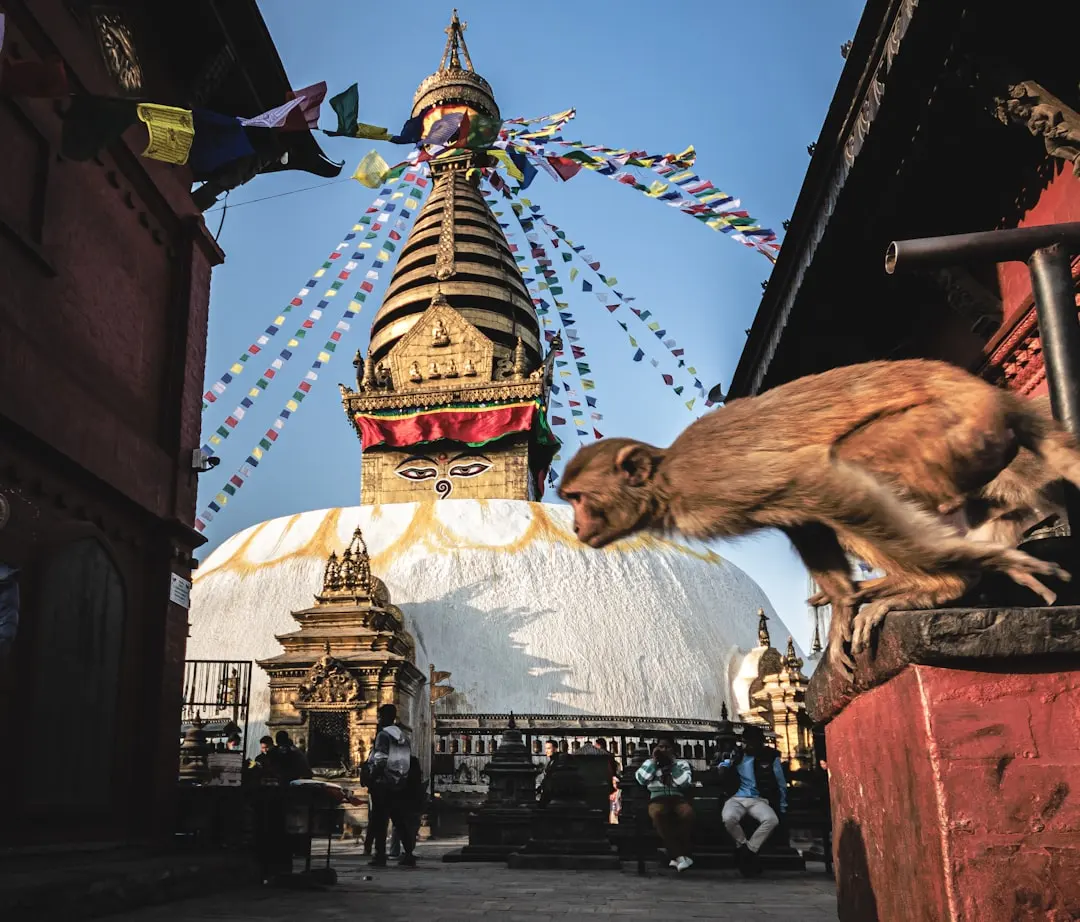
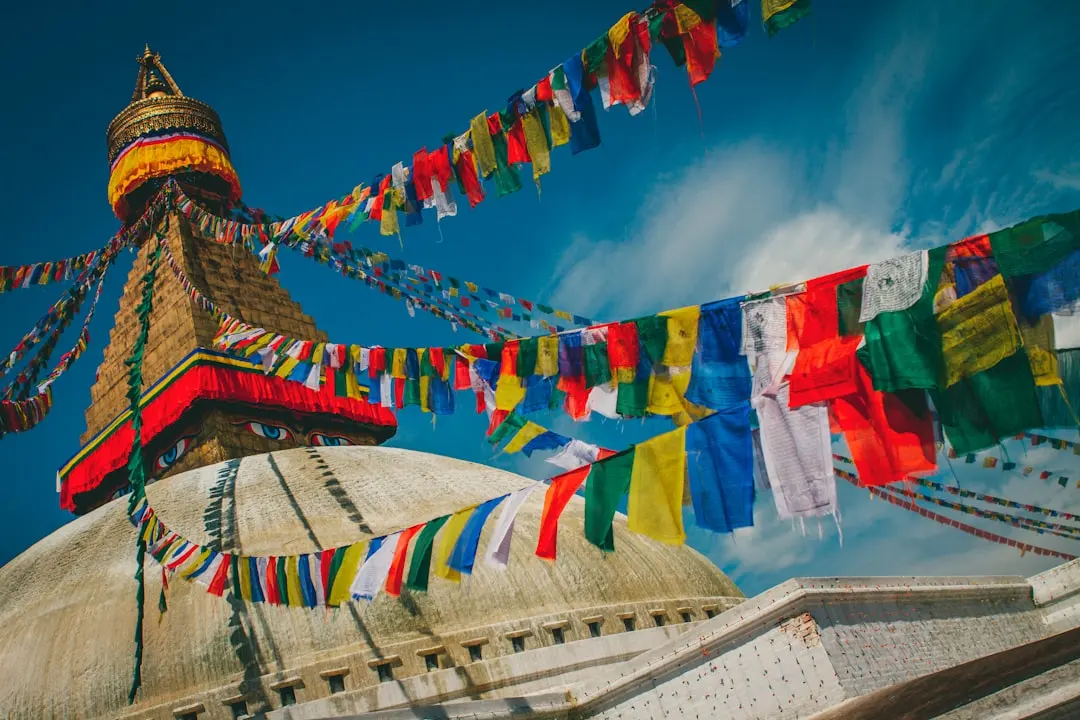
Day 5: Kathmandu sightseeing | Pashupatinath, Boudhanath, Swayambhunath | Stay in Kathmandu
Day 6: Kathmandu → Chitwan (165 km, 5 hours) | Evening village walk | Stay in Chitwan
Day 7: Chitwan → Gorakhpur via Sunauli (280 km, 7 hours) | Morning jungle safari, return home
Indian SIM cards work in Nepal but roaming charges are high (₹50-100 per minute call, ₹5-10 per SMS). Better options:
Most people in tourist areas understand Hindi. Nepali is similar to Hindi. English also works in hotels and restaurants. You won't face language problems.
Answer: Yes, Nepal is very safe for Indian tourists. People are friendly and helpful. Just take normal precautions like you would in any Indian city - don't walk alone late at night, keep valuables safe, etc.
Answer: Not mandatory but recommended, especially if going to high altitude places like Muktinath. Basic travel insurance costs ₹300-500 per person for a week and covers medical emergencies.
Answer: Absolutely! Nepal has excellent vegetarian food. Dal-bhat (like our dal-rice), roti-sabzi, momos (dumplings), chowmein - everything available in vegetarian. Finding veg food is easier than non-veg!
Answer: Minimum 5 days for basic tour (Lumbini-Pokhara-Kathmandu). 7-8 days is ideal to cover everything comfortably including Chitwan. If you have 10 days, you can add Muktinath also.
Answer: No, passport is not compulsory for Indians. Voter ID or Driving License is enough. But having passport makes border crossing faster and some hotels prefer it.
Answer: Yes, but roaming charges are very high (₹50-100 per minute). Better to buy Nepali SIM (Ncell or Nepal Telecom) for ₹500-700 with unlimited data and calls for 7 days.
Answer: Same plug points as India - you don't need any adapter. Power cuts can happen in smaller towns, so carry a power bank. Hotels usually have power backup.
Answer: Yes, plenty of ATMs in Kathmandu, Pokhara, and major towns. Indian cards work but charge ₹200-300 per withdrawal. Better to carry cash and exchange it.
Answer: Tipping is appreciated but not mandatory. In restaurants, 5-10% is good. For drivers/guides, ₹200-500 per day is fair depending on service quality.
Answer: Good hospitals available in Kathmandu and Pokhara. Keep travel insurance for peace of mind. Carry basic medicines with you. Indian medicines work there too.
Contact Trishna Tours and Travels for customized Nepal tour packages from Gorakhpur
📞 Call: +91 9792870977
We offer fully customizable tours, experienced drivers, clean vehicles, and 24/7 support throughout your journey
Gorakhpur is the most convenient and practical gateway to Nepal for travelers from UP, Bihar, and nearby regions
Just 90 km from Sunauli border – reach Nepal in under 2 hours by road. No flight needed.
Save on airfare and airport hassles. Direct road journey with scenic views throughout.
Ideal for families, pilgrims, budget travelers, and groups looking for authentic road trip experience.
Discover the beauty and culture of Nepal's most iconic locations.
Your Starting Point
90 km to borderQuick Formalities
1.5 hours driveCultural Hub
230 km / 6–7 hrsAdventure Awaits
Your JourneyTotal Journey Time: ~8–9 hours with comfortable stops
Trishna Tours and Travels is your trusted partner for Nepal tours from Gorakhpur, specializing in comfortable road journeys to the beautiful Himalayan nation. With years of experience in organizing group and private tours, we have become the go-to choice for travelers from Gorakhpur, Deoria, Kushinagar, Maharajganj, Basti, and nearby regions.
Our journey began with a simple mission: to make Nepal tourism accessible, affordable, and enjoyable for families from Eastern Uttar Pradesh and Bihar. We understand the unique needs of Indian travelers - the preference for vegetarian food, the importance of clean and safe accommodations, the need for experienced drivers who speak Hindi, and the desire for transparent pricing without hidden costs.
Over the years, we have successfully organized hundreds of Nepal tours, earning the trust of thousands of satisfied customers. Our team consists of experienced travel professionals who have personally traveled every route we offer, stayed in every hotel we recommend, and verified every service provider we work with.
What sets Trishna Tours apart is our commitment to honest and realistic service. We don't make false promises or advertise unrealistically cheap prices. Instead, we focus on delivering exactly what we commit - comfortable vehicles, clean hotels, experienced drivers, and 24/7 support throughout your journey. Our transparent pricing means no surprise charges or hidden costs.
We specialize in road journeys from Gorakhpur because we believe it's the most practical and economical way for families from this region to explore Nepal. The proximity of Gorakhpur to the Sunauli border (just 90 km) makes it an ideal starting point. Unlike air travel which involves airport transfers, security checks, and baggage limitations, road travel offers flexibility, comfort, and the joy of scenic journeys through the Indo-Nepal border region.
Our fleet includes well-maintained Tempo Travellers and private vehicles, all equipped with comfortable seating and driven by experienced chauffeurs who are familiar with Nepal's roads and regulations. We ensure all vehicles undergo regular maintenance and safety checks.
Customer satisfaction is at the heart of everything we do. We take pride in the fact that a significant portion of our business comes from repeat customers and referrals. When you travel with Trishna Tours, you're not just a customer - you're part of our travel family. We're available 24/7 to assist with any concerns, answer questions, and ensure your Nepal journey is memorable for all the right reasons.
Gorakhpur's strategic location makes it the most convenient and practical gateway to Nepal for travelers from Eastern Uttar Pradesh, Bihar, and nearby regions. Understanding why Gorakhpur is the ideal starting point for your Nepal tour requires looking at geography, infrastructure, cost-effectiveness, and practical travel considerations.
Geographic Advantage: Gorakhpur is located just 90 kilometers from the Sunauli-Bhairahawa border, which is the main entry point for Indian tourists traveling to Nepal by road. This proximity means you can reach the Nepal border in approximately 1.5 to 2 hours of comfortable road travel. Compare this to traveling to Delhi or other major cities first to catch a flight to Nepal - the time and cost savings are substantial.
The Sunauli border is open 24/7 for Indian nationals, and the crossing process is remarkably simple. Unlike international borders that require extensive documentation and checks, the Indo-Nepal border at Sunauli is friendly and straightforward for Indian citizens. You simply need a valid photo ID (Voter ID card or Passport), and you're through in minutes.
Cost Effectiveness: One of the biggest advantages of starting your Nepal tour from Gorakhpur is the significant cost savings. A flight from major Indian cities to Kathmandu can cost anywhere from ₹8,000 to ₹25,000 per person, depending on the season and advance booking. For a family of four, this alone could cost ₹32,000 to ₹1,00,000. In contrast, road travel from Gorakhpur includes this transportation as part of your tour package, with group tours starting from as low as ₹5,500 per person.
Moreover, road travel eliminates additional costs associated with air travel - airport transfers, excess baggage fees, and the typical airport food and service charges. You can carry as much luggage as the vehicle allows, bring home shopping from Nepal without baggage weight restrictions, and stop for meals at affordable roadside restaurants rather than expensive airport lounges.
Infrastructure and Connectivity: Gorakhpur is well-connected by rail and road to major cities across North India. It's a major railway junction with trains connecting to Delhi, Mumbai, Kolkata, Lucknow, and numerous other cities. This makes reaching Gorakhpur easy for travelers from various parts of India. The city also has an international airport with regular flights, though most domestic travelers prefer the extensive rail connectivity.
The road from Gorakhpur to Nepal is well-maintained, passing through scenic countryside and small towns. The journey itself becomes part of your tour experience, offering glimpses of rural life in both India and Nepal. Our experienced drivers know every kilometer of this route, including the best rest stops, clean restaurants, and safe parking areas.
Cultural and Linguistic Comfort: For travelers from UP and Bihar, the cultural similarity between this region and Nepal is comforting. Hindi is widely understood in Nepal, especially in tourist areas. The food preferences are similar, with plenty of vegetarian options available. The currency is easy to understand (Indian rupees are widely accepted), and the overall travel experience feels less foreign compared to international destinations.
Time Efficiency: While flying to Kathmandu might seem faster at first glance, consider the complete picture. You need to reach the airport at least 2-3 hours before flight departure, factor in potential delays, then take a taxi from Tribhuvan International Airport to your Kathmandu hotel through notoriously congested traffic. The entire process can easily take 8-10 hours from your home to your Nepal hotel.
In contrast, a road journey from Gorakhpur to Kathmandu takes approximately 8-9 hours of actual travel time, and you're collected from a convenient pickup point and dropped directly at your hotel. There's no waiting, no security checks, no baggage limitations - just a straightforward, comfortable journey.
Flexibility and Convenience: Road travel offers unmatched flexibility. Need to stop for a restroom break? No problem. Want to buy fresh fruits from a roadside vendor? Go ahead. Interested in taking photos at scenic spots? Your driver will accommodate. This flexibility is especially valuable for families traveling with children or elderly members who might need frequent stops or have specific requirements.
Group tours from Gorakhpur also operate on fixed departure dates from the city itself, meaning you don't have to coordinate complex travel plans to reach a distant airport. You simply assemble at the designated pickup point in Gorakhpur, and your Nepal adventure begins.
Planning your Nepal tour from Gorakhpur requires some preparation to ensure a smooth, comfortable, and memorable journey. Here's a comprehensive guide covering everything you need to know before embarking on your Nepal adventure.
Documentation and Border Formalities: For Indian citizens, traveling to Nepal is remarkably simple. You need one of the following photo identity documents: Indian Passport, Voter ID card with photograph, or in some cases, a driving license. However, we strongly recommend carrying a passport as it's universally accepted and makes hotel check-ins smoother.
No visa is required for Indian nationals visiting Nepal. At the Sunauli border, there's a simple checkpoint where you show your ID, and border security may make a basic entry record. The entire process typically takes just 10-15 minutes during non-peak hours. Our drivers assist you through this process, ensuring everything goes smoothly.
It's advisable to carry multiple photocopies of your ID proof. Hotels in Nepal will require ID for check-in, and having copies ready speeds up the process. Also, carry at least two passport-size photographs as they might be needed for certain permits or activities.
Currency and Money Matters: Indian currency is widely accepted in Nepal, particularly in tourist areas. The exchange rate typically hovers around 1 INR = 1.6 NPR, though it fluctuates slightly. We recommend carrying cash in ₹100 and ₹500 denominations, as ₹2000 notes sometimes face acceptance issues.
ATMs in Kathmandu and Pokhara accept Indian debit and credit cards, but transaction fees may apply (usually ₹100-200 per withdrawal). Inform your bank about your Nepal travel plans to prevent your card from being blocked due to suspicious activity abroad.
Credit cards are accepted at major hotels, restaurants, and shops in tourist areas, but smaller establishments and local markets operate primarily on cash. Budget accordingly and keep some Nepali rupees for small purchases and tips.
Packing Essentials: Weather-appropriate clothing is crucial. Nepal's weather varies by altitude and season. For Kathmandu and Pokhara (lower altitudes), pack light cotton clothes for summer and warm woolens for winter. If visiting high-altitude areas like Muktinath or Nagarkot, carry heavy woolens even in summer as temperatures drop significantly at night.
Essential items include: comfortable walking shoes (you'll do a lot of walking at temples and tourist sites), sunglasses and sunscreen (UV rays are strong at higher altitudes), a light rain jacket or umbrella (weather can be unpredictable), personal medications with prescriptions, and a small first-aid kit.
For temple visits, carry modest clothing. While there's no strict dress code, covering shoulders and knees is respectful. Remove shoes before entering temples - carrying socks is advisable as temple floors can be hot during daytime.
Health and Safety: Nepal is generally very safe for Indian tourists. However, take standard precautions - avoid drinking tap water (bottled water is widely available and affordable), be cautious with street food if you have a sensitive stomach (though most Indian tourists handle Nepali food well as it's similar to North Indian cuisine), and carry any personal medications as specific brands might not be available.
The biggest health concern for some travelers is altitude sickness if visiting high-altitude locations like Muktinath (3,800m). Symptoms include headache, nausea, and dizziness. Ascend gradually, stay hydrated, avoid alcohol, and inform your guide immediately if you feel unwell. Most people acclimatize well, but it's important to be aware.
Carry a basic first-aid kit with medicines for common ailments - fever, cold, stomach upset, motion sickness, and any personal prescription medications. Nepal has good medical facilities in cities, but it's always better to be prepared.
Communication: Indian mobile networks work in border areas, but roaming charges can be high. Consider buying a local Nepali SIM card (Ncell or Nepal Telecom) available at the border or in Kathmandu. They're inexpensive (₹200-300) and offer good data plans. You'll need your passport and a photograph for SIM card registration.
WiFi is available at most hotels and restaurants in tourist areas, usually free or for a nominal charge. However, internet speeds may be slower than what you're accustomed to in Indian cities.
Food and Dining: Nepal offers plenty of vegetarian and non-vegetarian options. Indian food is widely available - you'll find North Indian, South Indian, and even local restaurants serving familiar dishes like dal, roti, rice, sabzi, paneer preparations, and more. Nepali cuisine itself shares many similarities with North Indian food, with dishes like dal-bhat-tarkari (lentils, rice, and vegetables) being the staple.
Food hygiene standards in established restaurants and hotels are good. However, if you have a sensitive stomach, stick to bottled water and avoid raw salads and ice in drinks from small eateries. Most restaurants catering to tourists maintain good hygiene standards.
Cultural Sensitivity: Nepalis are generally warm, friendly, and welcoming to Indian tourists. English and Hindi are widely understood in tourist areas. Basic cultural etiquette includes: removing shoes before entering homes and temples, asking permission before photographing people (especially in religious settings), dressing modestly when visiting religious sites, and respecting local customs and traditions.
Tipping is appreciated but not mandatory. If you're satisfied with service, a tip of 10% at restaurants or ₹100-200 per day for your driver and guide is appropriate.
Shopping: Nepal is famous for Pashmina shawls, handmade crafts, singing bowls, prayer flags, trekking gear, and more. Bargaining is common and expected in local markets. Start at 50-60% of the asking price and negotiate from there. Fixed-price government emporiums are also available if you prefer no-haggling shopping.
Be aware that many "Pashmina" shawls sold in tourist markets are synthetic blends, not pure Pashmina. If buying expensive items, shop from reputable stores. Carry extra luggage space or a duffel bag for your shopping - remember, road travel means no baggage weight restrictions!
Best Time to Visit: September to November (autumn) and March to May (spring) are the best months. Weather is pleasant, skies are clear, and mountain views are spectacular. December to February is winter - cold but less crowded with clear visibility. June to August is monsoon season - expect rain, but prices are lower and landscapes are lush and green.
However, Nepal is a year-round destination. Every season has its charm, and Trishna Tours operates throughout the year with season-appropriate planning and advice.
 Trishna Tours and Travels

.svg.webp)
+91 9792870977 trishnatoursandtravels@gmail.com
Near Khetan Hospital, Bargadwa,Trishna Tours and Travels © 2026